|
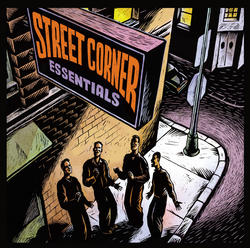
A bunch of teenagers gathered around a street light or in a tenement hallway singing their hearts out. Days of harmonizing at the candy store, be-bopping down the mean streets of Big City America, their voices soaring in perfect pitch songs of teenage love and angst. Such is the treasured image of Doo-Wop, those golden days of the vocal group.
The music they made was a refreshing change from the heavily-orchestrated and staid pop tunes of the post-war years. It was do-it-yourself music; it seemed easy to get some guys or girls together and make a hit record. Even if your record was only heard in a six-block area of your hometown, it made you a celebrity.
Street corner groups had a brief moment in the sun, roughly from 1955 to 1957, but such was the attraction of the music that a “revival” occurred almost right away. By 1961, collectors were eagerly seeking out records only three or four years old and new groups were sprouting up in cities all across the country.
The music has never died and remains strong today. Hearing the groups that "made it" and those that almost did, you will understand why.
Street-corner harmonizers in Cleveland in 1953 all tried to get the ears of powerful disc jockey Alan Freed. The Coronets did the next best thing and got Freed’s wife Jackie to play their demo of "Nadine" for the busy record spinner. The result was a recording contract with Chess. Uncle Sam then stepped in and grabbed a couple of the singers for military service, and the group was never able to rekindle the spark.

|